Powerful Yet Vulnerable: How a 3-Layer NiCuNi Shield Ensures Magnet Durability
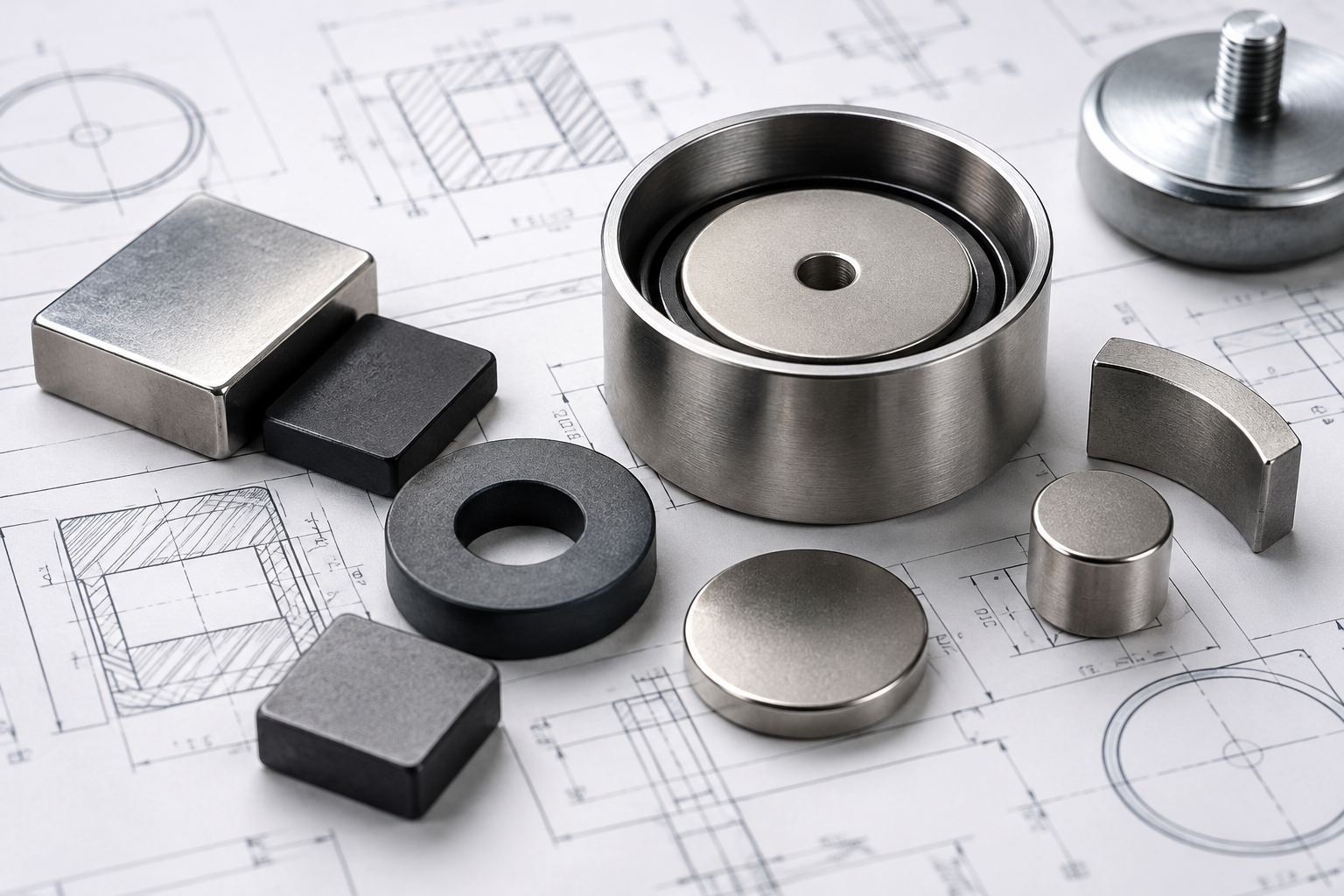
If you’ve ever worked with neodymium magnets, you already know one thing: they’re incredibly powerful – and surprisingly vulnerable. Without proper protection, these magnets can corrode quickly, especially in humid or harsh environments. That’s where NiCuNi plating comes in.
At first glance, it might seem like just another coating. But NiCuNi isn’t a single layer; it’s a carefully engineered, three-layer system designed to solve multiple problems at once: adhesion, flexibility, and long-term durability.
The First Layer: Nickel (Ni) – The Foundation
The first layer of nickel is applied directly to the magnet’s surface. This is arguably the most critical step in the entire process because it sets the stage for everything that follows. Think of it as the primer before paint – it ensures everything sticks exactly where it should.
Neodymium magnets have a rough, porous structure at the microscopic level. The initial nickel layer acts as a bonding agent, creating a strong, uniform surface that adheres tightly to the magnet. Without this layer, the coating system would be prone to peeling or flaking over time.
The Middle Layer: Copper (Cu) – The Flex Point
Next comes the copper layer, where NiCuNi plating really starts to stand out. Copper is softer and more ductile than nickel, which means it can absorb stress instead of cracking under pressure. Magnets often experience minor mechanical impacts, temperature changes, or vibrations, depending on their application. A rigid coating alone would be more likely to fracture under those conditions.
The copper layer acts as a buffer between the two nickel layers, improving flexibility and helping the overall coating system withstand real-world use. It essentially gives the plating a bit of “give,” which can significantly reduce the risk of microcracks.
The Outer Layer: Nickel (Ni) – The Shield
Finally, the outer nickel layer provides the finish most people recognize – that smooth, shiny, metallic surface.
But it’s not just about appearance. This top layer is the primary defense against corrosion, moisture, and environmental exposure. Nickel is naturally resistant to oxidation, making it an effective barrier that protects the magnet underneath.
In many cases, this outer layer is also what helps NiCuNi-plated magnets pass corrosion tests, such as salt-spray evaluations, especially when applied with precision and consistency.
Why Do the Three Layers Matter?
Each layer plays a distinct role, but it’s the combination that makes NiCuNi plating so effective. The inner nickel ensures strong adhesion, the copper layer adds flexibility, and the outer nickel delivers durability and corrosion resistance.
Remove any one of these layers, and the system becomes less reliable. That’s why NiCuNi remains one of the most widely used coatings for neodymium magnets across industries – from motors and sensors to medical devices and precision assemblies.
Chooses High Performance NiCuNi for Your Next Application
For engineers and product designers, understanding this structure isn’t just helpful; it’s essential. Because when coating performance fails, it’s rarely due to a single issue. More often than not, it’s a breakdown somewhere within these layers. And when you know how each layer works, you’re in a much better position to choose the right solution from the start.
Contact BJA Magnetics today to secure reliable, high-performance magnets engineered with the exact protective coatings your application demands.