Are Neodymium Magnets Essential in Wind Turbines?
As the world increasingly turns to wind for clean, renewable energy, the technology driving these massive structures becomes more critical than ever. While the giant blades capture our attention, a smaller, hidden component is essential for modern efficiency: the neodymium magnet.
These powerful, lightweight magnets are a cornerstone of today’s most advanced wind turbines, enabling them to generate more power with greater reliability. Read on to explore why neodymium magnets are indispensable to the wind energy industry and how they are shaping the future of power generation.
How Do Magnets Power a Wind Turbine?
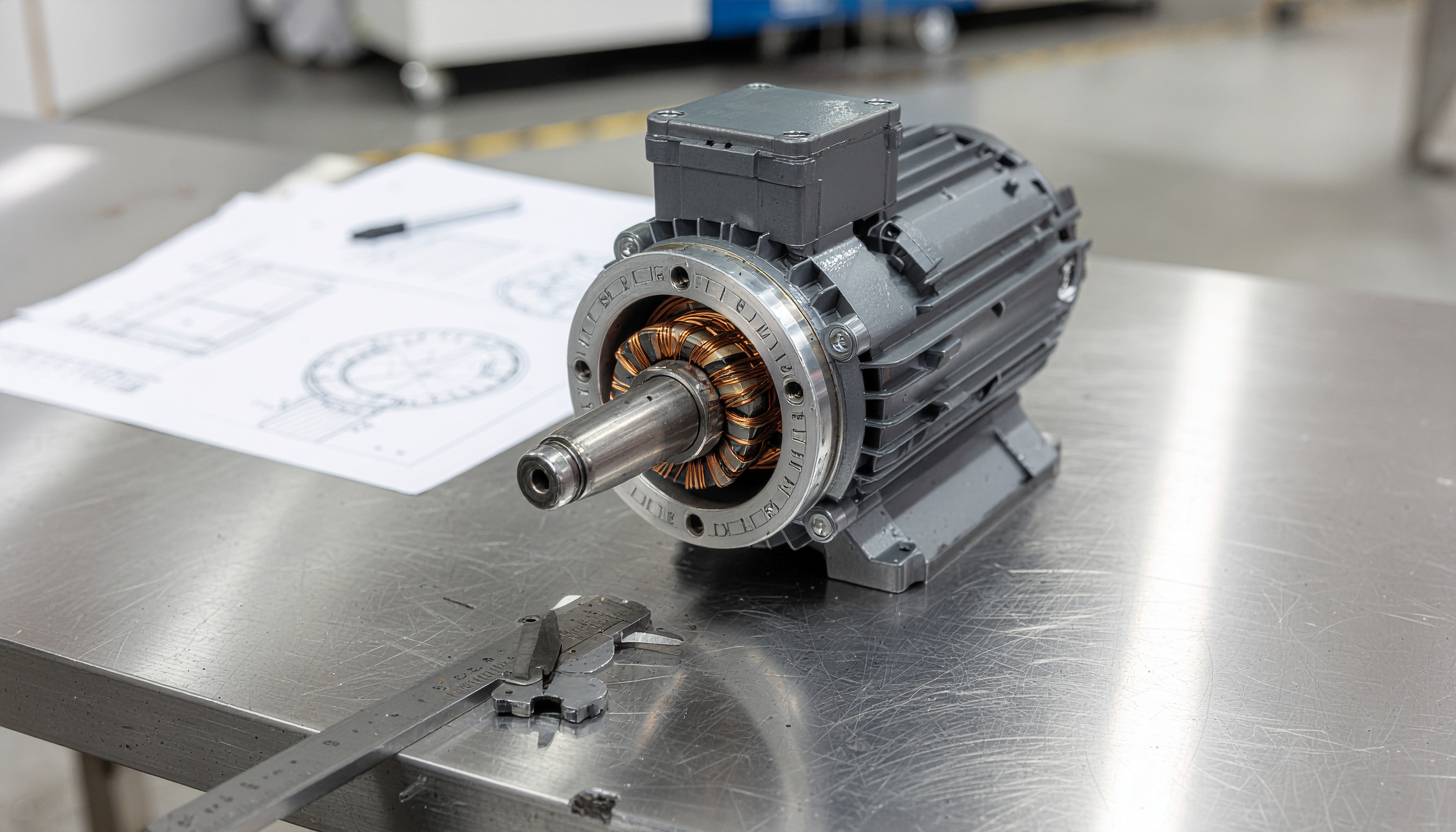
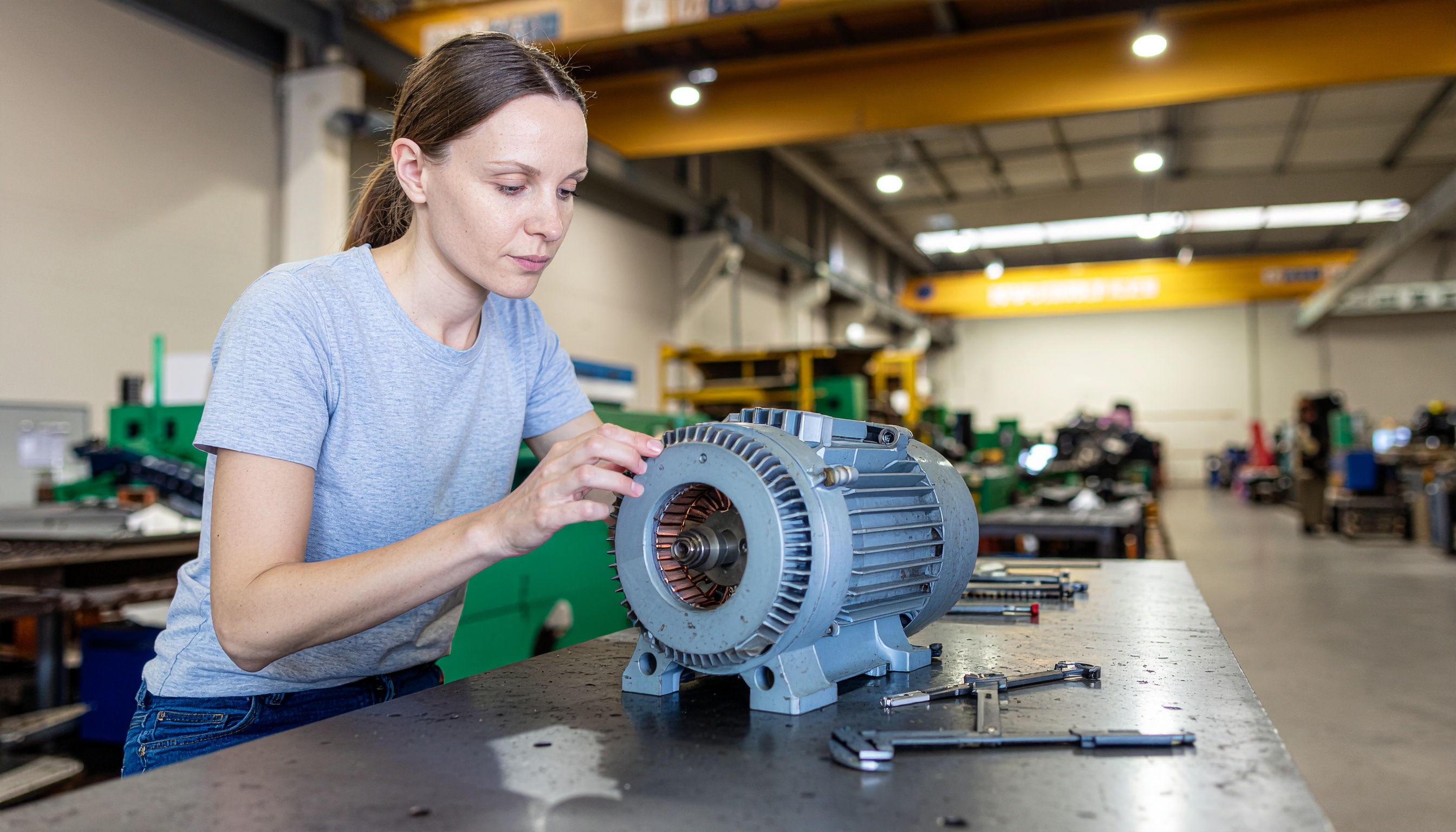
Inside a wind turbine is a generator that converts mechanical motion into electricity. As wind spins the blades, that motion is transferred to the generator’s rotor. The rotor’s movement creates a changing magnetic field, which induces an electric current in the surrounding coils.
This basic principle is what allows turbines to produce electricity. The strength and stability of that magnetic field matter…a lot. Stronger magnets allow generators to produce more power with less mechanical input. That’s where neodymium magnets come in.
What Makes Neodymium Magnets Different?
Neodymium magnets, often called NdFeB magnets, are made from neodymium, iron, and boron. They’re the strongest permanent magnets available today. Compared to other magnet types, neodymium magnets generate significantly more magnetic force while remaining compact and lightweight.
This strength gives turbine designers several important advantages:
- More efficient electricity generation
- Smaller, lighter generator designs
- Better performance at lower rotational speeds
Since neodymium magnets don’t require electricity to maintain their magnetic field, they also reduce energy losses inside the generator. That efficiency gain becomes especially important when turbines operate for decades.
Why Do Modern Turbines Favor Direct Drive Systems?
Many early wind turbines relied on gearboxes to increase rotational speed before electricity could be generated. While effective, gearboxes add complexity, weight, and maintenance requirements.
Today, many manufacturers prefer direct drive turbines, which eliminate the gearbox entirely. These systems allow the turbine blades to connect directly to the generator. To make that possible at slower blade speeds, the generator must rely on extremely strong magnets – and neodymium is the material of choice.
Direct drive systems offer several benefits:
- Fewer moving parts
- Reduced maintenance and downtime
- Increased reliability over long service lives
These advantages are particularly important for offshore wind farms, where maintenance access is limited and expensive.
Other Uses of Neodymium Magnets Inside Turbines
Neodymium magnets aren’t only used in the main generator. They appear throughout the turbine in supporting systems that help maintain performance and safety, including:
- Pitch control motors that adjust blade angles
- Yaw systems that turn the turbine to face the wind
- Sensors and control components that monitor performance
Because neodymium magnets are both powerful and compact, they allow these systems to operate quickly and precisely without adding unnecessary weight or bulk.
The remarkable strength and efficiency of neodymium magnets have made them a fundamental component in the evolution of wind energy. By enabling more powerful, reliable, and lower-maintenance direct drive generators, they have become instrumental in making wind power a competitive and sustainable energy source.
For designers and manufacturers in the renewable energy sector, selecting the right magnetic components is crucial for long-term performance and success. If your project demands high-performance magnetic solutions, contact the experts at BJA Magnetics to learn how our neodymium magnets can power your innovation. Contact BJA Magnetics today to get started!